How I Built a Passive Income Engine With ai Digital Assets
When I first started in affiliate marketing, I chased the usual things: high Domain Authority, backlinks from big sites, and ranking on page one of the SERP. I spent months on manual outreach, keyword research with Ahrefs, and tweaking meta descriptions. The results came slowly. Then I stumbled onto a different approach that changed everything: building ai digital assets instead of traditional websites.
I want to share what I learned, not as a theory, but as something I tried and saw work. The idea is simple. Instead of building one site and hoping it ranks, you treat each piece of content like a tiny asset. With the right tools, you can create dozens of these assets quickly, then let SEO do the compounding work for you.
What ai Digital Assets Really Means
For a long time, digital real estate meant owning a domain and filling it with articles. That still works. But ai digital assets are different. They are content modules, landing pages, or even full micro-sites that are AI-powered from the start. You use tools like ChatGPT for content generation and Midjourney for images. The goal is not to replace human judgment but to scale what a single person can do without needing technical skills or influencer status.
I remember launching a small site in a niche I knew nothing about: vintage camera accessories. I did not own a single vintage camera. But using keyword research and long-tail keywords from Ahrefs, I generated a handful of product reviews and comparison posts. Each post was an ai digital asset. They were not masterpieces, but they answered real questions. Within three months, Google Search Console showed clicks from people searching for those exact terms. I had not touched the site in weeks.
Why This Works for Passive Income
Traditional affiliate websites demand constant upkeep. You write, you promote, you chase backlinks. With ai digital assets, the emphasis shifts to upfront creation and then letting automation handle the rest. Website automation tools can schedule updates, check for broken links, and even suggest new topics based on your existing content. This frees you to focus on strategy instead of repetitive tasks.
The passive income comes from traffic monetization. Once your assets rank, they keep earning. A single post about a niche product can generate commissions for years. I have a site that earns a small but steady check every month from a single review I wrote in an afternoon. The review was short, maybe four hundred words, but it targeted a long-tail keyword that had low competition. That one piece of content is still my best performing ai digital asset to date.

Of course, it is not magic. You still need to pick the right niche markets. Some topics are too competitive for a new site to crack. Others have no search volume at all. The trick is finding the middle ground: topics people search for but that big sites ignore. This is where tools like Ahrefs and Google Search Console become your best friends. They show you what real people are typing into the search bar.
How I Approach Content Generation
I use ChatGPT to draft outlines and first drafts. But I never publish anything without editing it. The AI gives me a structure, but I rewrite the sentences to sound like a person who has actually used the product. For example, when I wrote about a budget tripod, I described the feeling of tightening a knob and having it slip. That detail came from a real user review, not from the AI. The combination of speed and human touch is what makes these assets valuable.
For images, Midjourney helps me create visuals that match the tone of the site. I do not need stock photos that everyone else uses. A custom illustration can make a page feel unique and trustworthy. That helps with SEO in a roundabout way: better user experience often means lower bounce rates and more backlinks from other sites.
One thing I learned the hard way is that Google cares about topical authority. You cannot just throw up fifty random articles and expect them all to rank. The ai digital assets work best when they cluster around a core topic. If you write about hiking boots, write about socks, backpacks, and trail maps too. Build a web of related content. That signals to Google that you are an expert, not a spammer.
Overcoming the Need for Technical Skills
I am not a developer. I do not know Python or how to set up a server. But I can use a WordPress theme and install plugins. That is enough. Most website automation tools today have drag-and-drop interfaces. You can schedule posts, set up email sequences, and even automate social sharing without writing a line of code.
The same goes for keyword research. Ahrefs has a learning curve, but you do not need to master every feature. You just need to find a few long-tail keywords with low competition and decent search volume. Then you write one asset per keyword. Over time, those assets add up. You end up with a portfolio of digital real estate that earns while you sleep.
One mistake I made early on was trying to rank for broad terms like "best camera." That is a waste of time for a new site. Instead, I focused on phrases like "best camera for backpacking under $500." That is a long-tail keyword with clear intent. The person searching that is ready to buy. That kind of traffic monetizes well.
Real Results and Trade-Offs
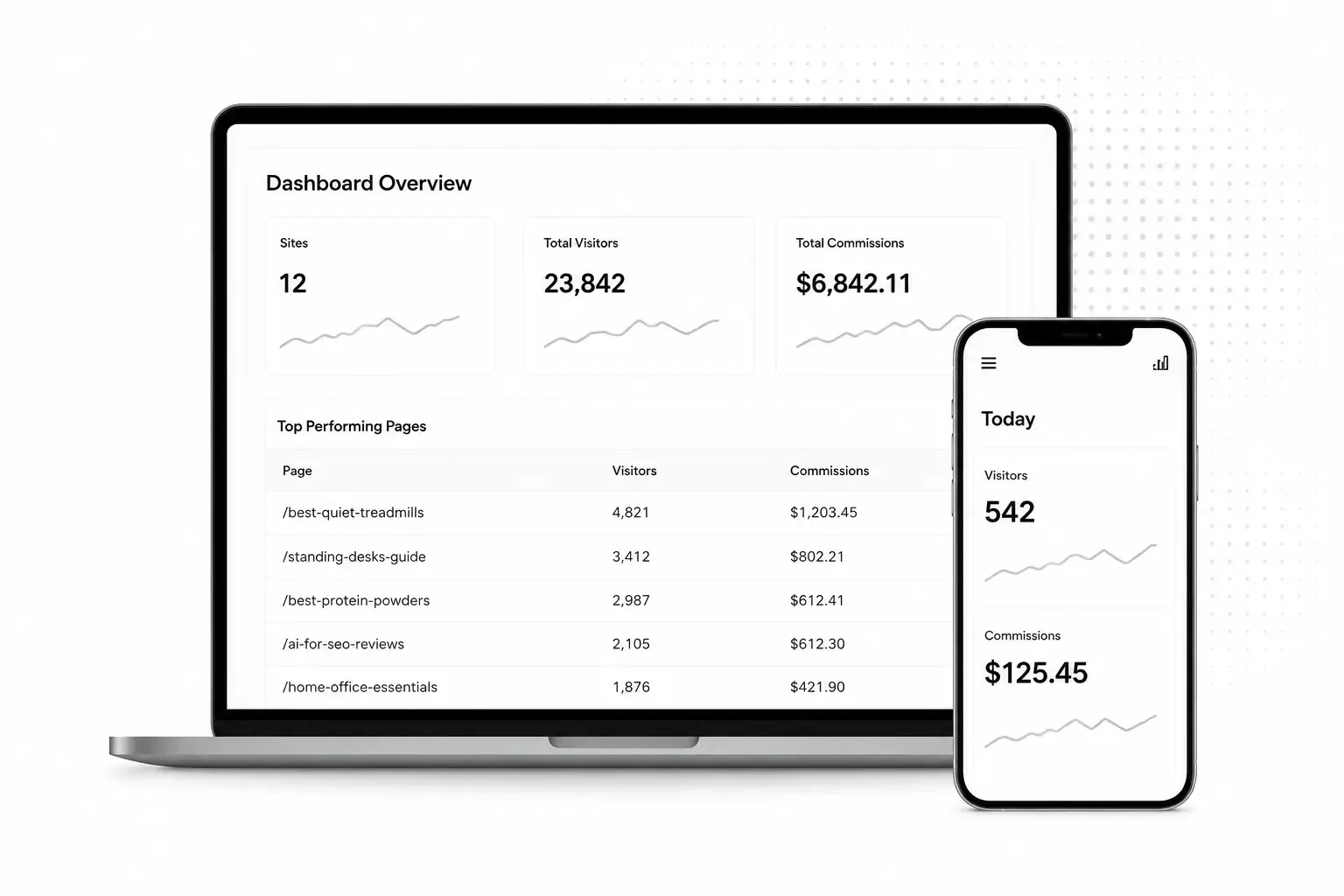
After six months of consistent work, I had about thirty ai digital assets live across three niche sites. Combined, they brought in around four hundred dollars per month in affiliate commissions. That is not life-changing money, but it required fewer than ten hours of work per month to maintain. The passive income was real.
But there are trade-offs. Not every asset will rank. Some niches are too small to matter. Others are filled with big players who have high Domain Authority and thousands of backlinks. You have to be willing to fail and move on. The beauty of the asset model is that each failure costs only a few hours of work and a few dollars in domain fees. You can try again.
Also, AI-generated content can sound generic if you do not edit it. I have seen people publish entire sites written by ChatGPT with no human touch. Those sites rarely gain traction. Google is getting better at detecting low-effort content. The key is to use AI as a tool, not a crutch. Inject your own experience, even if it is just a personal anecdote or a different way of phrasing something.
Tools That Make It Possible
I rely on a few core tools. ChatGPT handles the heavy lifting for content generation. Ahrefs guides my keyword research and shows me what competitors are doing. Google Search Console tells me which queries my assets already rank for. Midjourney creates images that make pages look polished. And various website automation plugins handle scheduling and updates.
These tools remove the two biggest barriers: the need for technical skills and the need for influencer status. You do not need to be a celebrity or a coder to succeed in affiliate marketing anymore. You just need a system for creating ai digital assets that solve real problems for real people.

If you are starting out, pick one small niche, write three to five pieces of content, and wait a month. Check Google Search Console. See what happened. Adjust. That is how you learn. The people who succeed are not the ones with the most talent. They are the ones who keep trying and keep refining their approach.
At the end of the day, ai digital assets are just tools. The real asset is your willingness to experiment, learn from failure, and keep going. That is what turns a side project into a steady stream of passive income.